Why Employing a Residential Electrician Is Crucial for Home Safety!
Engaging a residential electrical specialist is critical for maintaining home protection. Numerous homeowners fail to appreciate the complications of electrical systems. DIY projects can create hazardous situations, including combustion hazards or shocks. Licensed electrical experts provide critical knowledge, ensuring compliance with local codes and protective measures. The ramifications of disregarding correct electrical work can be severe. Grasping the value of professional guidance can set a noteworthy shift in home well-being. What specific perks can these professionals supply?
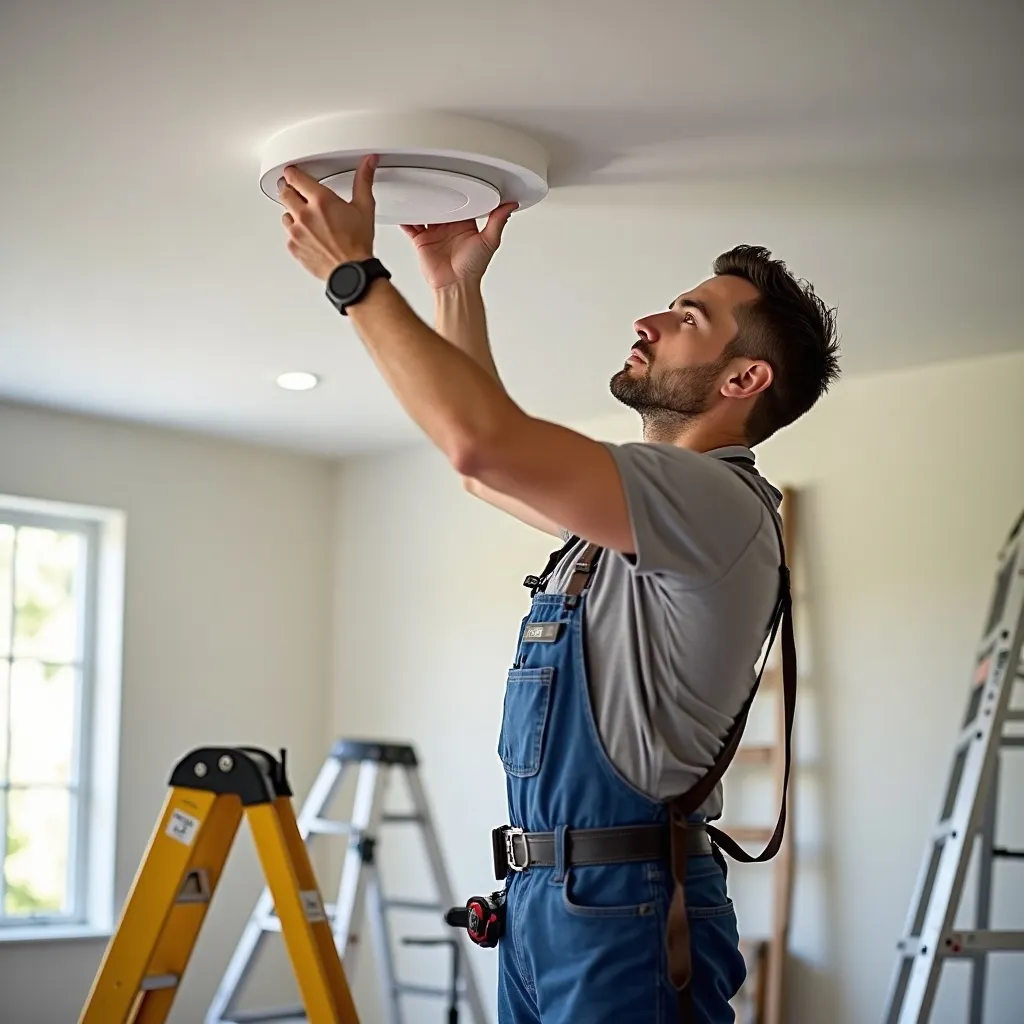
Grasping the Threats of DIY Electrical Installations
Performing DIY electrical work might appear appealing for house owners seeking to cut expenses, however it involves substantial risks. Many folks underestimate the complexity of electrical systems, commonly producing faulty corrections or setups. This deficiency in expertise may produce electrical malfunctions, blazes, or shock hazards, endangering both the homeowner and their property.
Moreover, DIY work may not conform to local building codes, which might result in legal complications or costly fines.
Additionally, devoid of the proper tools and safety equipment, dwellers may expose themselves to risky environments. Even deceptively straightforward work, such as replacing a light fixture, can have surprising difficulties if not executed correctly.
A concern that should not be overlooked is the possibility of long-term damage to the home's electrical components.
The Skills That Protects Your Home Safe
When addressing home security concerns, a residential electrician's knowledge proves essential.
They perform comprehensive safety checks, guaranteeing all systems are functioning properly and comply with regulatory standards.
Furthermore, their grasp of code compliance and expert troubleshooting capabilities mitigate potential dangers before they develop into serious issues.
Thorough Protection Inspections
A comprehensive safety examination carried out by a qualified residential electrician is necessary for maintaining a safe home environment. During this procedure, electricians assess wiring, connections, and electrical panels to identify potential hazards.
They review for aged equipment that may introduce fire risks or trigger electrical failures. Additionally, they inspect the grounding and bonding systems to guarantee they meet safety standards.
When electricians recognize problems like overloaded circuits or faulty wiring, they offer homeowners actionable insights to reduce risks. These inspections not only improve safety but also boost energy efficiency, potentially reducing utility bills.
In the end, ongoing safety evaluations safeguard both the home and its inhabitants, assuring a dependable electrical system that performs optimally.
Code Adherence Assurance
Code compliance assurance acts as an important factor in assuring the safety and dependability of residential electrical systems.
Skilled electricians are proficient in local, state, and national electrical codes, which are formulated to secure homeowners from possible dangers. These codes address various aspects, such as wiring methods, circuit protection, and grounding techniques, all necessary for safe operation.
By following these codes, electricians reduce the threat of electrical fires, shock hazards, and equipment failure. Additionally, code compliance is frequently a requirement for homeowner's insurance and can influence property value.
Property owners who choose a certified electrician assure that their electrical installations meet essential codes, offering assurance and a safer household.
Skilled Diagnostic Proficiencies
Electrical systems can have difficulties despite meeting safety codes. When complications occur, expert analysis becomes critical.
Residential electricians develop specialized training and experience that allow them to identify problems quickly, often prior to becoming serious hazards. Their capacity to evaluate intricate electrical networks and pinpoint problems guarantees that homeowners are not left in the dark—literally and figuratively.
These professionals utilize cutting-edge equipment and methods to identify issues, whether it's a dimming fixture or a tripped breaker. By addressing these concerns quickly, they not only restore functionality but also improve the overall security of the home.
In the end, depending on a professional electrician for troubleshooting is a preventive measure toward safeguarding both residents and property.
Selecting the Ideal Residential Electrical Professional
Selecting the appropriate home electrical contractor requires thorough evaluation of several key factors.
Residential owners should verify qualifications and certifications to confirm regulatory conformity with local regulations.
Furthermore, assess the electrician's qualifications and skills, and ask for comprehensive quotations for transparency.
These steps help in making an educated choice that focuses on safety and quality.
Verify Credentials And Certifications
Upon engaging a residential electrician, it is vital to confirm their credentials and licenses to ensure adherence with local regulations and industry standards. This step ensures that the electrician has undergone the necessary training and possesses the knowledge required for secure and efficient electrical work.
Verifying valid credentials protects homeowners from potential liabilities and ensures that the electrician follows safety protocols. Additionally, verifying qualifications can help identify professionals who stay updated with the latest industry practices and technologies.
Homeowners should request proof of insurance and verify that the electrician holds any necessary credentials. Implementing these measures not only improves security but also fosters trust in the quality and reliability of the electrical services delivered.
Assess Experience And Expertise
Reviewing the skills and background of a home electrician is essential for ensuring high-quality workmanship. A proficient electrical technician often brings a substantial knowledge base gained through years of on-the-job experience. This training empowers them to handle various electrical systems and troubleshoot issues competently.
Potential clients should ask regarding the electrician's particular specializations, such as residential wiring, lighting installations, or electrical repairs. Furthermore, learning about the kinds of projects they have completed in the past can offer understanding of their capabilities.
Reviews and testimonials from previous clients can also function as key assets in assessing credibility and service caliber. By carefully evaluating an electrician's experience and expertise, homeowners can reach sound conclusions that emphasize safety and operational excellence.
Acquire In-depth Estimates
In what ways can homeowners ensure they receive fair pricing and quality service when hiring a home electrical contractor? One effective strategy involves obtaining detailed estimates from multiple electricians.
This approach not only assists in assessing costs but also delivers knowledge regarding the scope of work involved. Homeowners should ensure that estimates cover labor, materials, and any additional fees. A straightforward estimate indicates the electrician's professionalism and commitment to communication.
Furthermore, it enables homeowners to inquire about any unclear charges, fostering a better understanding of the project. By acquiring several estimates, homeowners can make informed decisions, thus guaranteeing they employ a competent residential electrician who satisfies their needs while adhering to safety standards.
Leading Electrical Issues Most Effectively Addressed by Specialists
If electrical problems develop in a home, it's important to recognize which problems require professional expertise. Common electrical issues that should be handled by licensed electricians feature frequent circuit breaker trips, which may point to overloads or faulty wiring.
Flickering lights often indicate major concerns, like defective connections or outdated electrical infrastructure. Additionally, outlets that are warm to touch or emit a acrid odor represent major fire risks and need urgent examination.
An additional concern is the installation of new electrical systems or fixtures, which often requires adherence to local codes and safety standards. Homeowners should also get expert help for any electrical projects involving the main service panel, as mistakes in this area can cause risky circumstances.
Why Meeting Standards Is Important for Safety
Making sure that electrical installations adheres to code compliance plays a vital role in protecting safety within residential environments. Electrical codes are established to minimize hazards such as fires, electrocution, and property damage. These regulations are established based on extensive research and industry standards, reflecting the latest protective standards.
When homeowners contract a residential electrician, they reap rewards from the specialist's proficiency in overseeing these codes, verifying all installations and repairs are code-compliant.
Non-compliance can result in hazardous conditions, such as faulty wiring and inadequate grounding, which may not only pose risks to inhabitants but also affect insurance coverage. Additionally, properties that do not meet code standards can incur fines or complications during real estate transactions.
In the end, maintaining electrical codes is crucial for defending lives and property, stressing the significance of choosing qualified electricians for all electrical work.
Boost Lasting Savings with Professional Installations
Investing in skilled electrical work can yield significant long-term savings for home occupants. Skilled electricians guarantee that all electrical networks and setups are installed correctly, decreasing the odds of costly repairs and replacements due to faulty work. By maintaining compliance with safety standards and using high-quality materials, professionals lessen the threat of electrical hazards, which can lead to high-cost deterioration or even fire.
In addition, sustainable energy systems can cut down on utility bills over time. For instance, upgrading to energy-efficient lighting and appliances can result in considerable savings on electricity costs. Additionally, professional electricians can offer advice on refining electrical infrastructure for better efficiency.
In the end, while the starting expense of engaging a experienced electrician may look pricier than a DIY approach, the long-term advantages—including reduced repair costs and lower energy bills—greatly outweigh the upfront investment.
Property owners can shield their money and dwellings by giving priority to skilled electrical work.
The Assurance That Results From Specialized Expertise
Peace of mind frequently follows the decision to engage a professional electrician. Homeowners can feel at ease knowing that their electrical systems are in the hands of qualified experts who grasp the complexities of wiring, circuits, and safety regulations.
Skilled electricians have the required qualifications and expertise to detect possible dangers, ensuring that electrical work and maintenance comply with safety regulations.
In addition, contracting a professional minimizes the potential of electrical failures that could trigger risky scenarios such as fires or electric injury. The assurance that a skilled expert has executed the work enables homeowners to focus on their regular activities without stressing over concealed risks.
Moreover, numerous professional electricians offer protection plans for their labor, further increasing the sense of security.
Ultimately, relying on a skilled electrician not only safeguards the home but also fosters a worry-free environment, allowing families to thrive without the burden of unresolved electrical issues.
Frequently Posed Questions
What Techniques Can I Use to Identify a Experienced Residential Electrician?
To find a experienced residential electrician, one should confirm proper licensing, coverage, and credentials. Additionally, reviewing online discover the facts ratings and seeking recommendations from loved ones can help ensure the electrician's trustworthiness and skill.
What Are the Warning Signs of Electrical Faults in My Home?
Electrical problems can show signs such as lights that flicker, tripped circuit breakers, outlets that feel warm, odors of burning, and discolored switches. Strange sounds coming from appliances or outlets might also point to possible problems needing urgent action from a certified electrician.
How Often Should I Get My Electrical System Evaluated?
Property owners should get their electrical systems examined every three to five years. Routine evaluations help identify potential issues early, providing safety and efficiency while minimizing risks associated with aging or broken electrical components in the home.
Can I Do Basic Electric Work on My Own?
While small electrical jobs may appear doable, it's recommended to consult a professional. Inadequate expertise can result in safety hazards, potential code violations, or expensive repairs, highlighting the importance of professional help for electrical tasks.
What Ought I Manage in Situation of an Electric Urgent Situation?
In the event of an electrical crisis, one should immediately turn off the power at the circuit breaker, stay away from live wires, and contact a qualified electrician for assistance. Safety should always be the top priority.